Break-In Diary: Nine Days in the $15.51 Panda Dunk Low
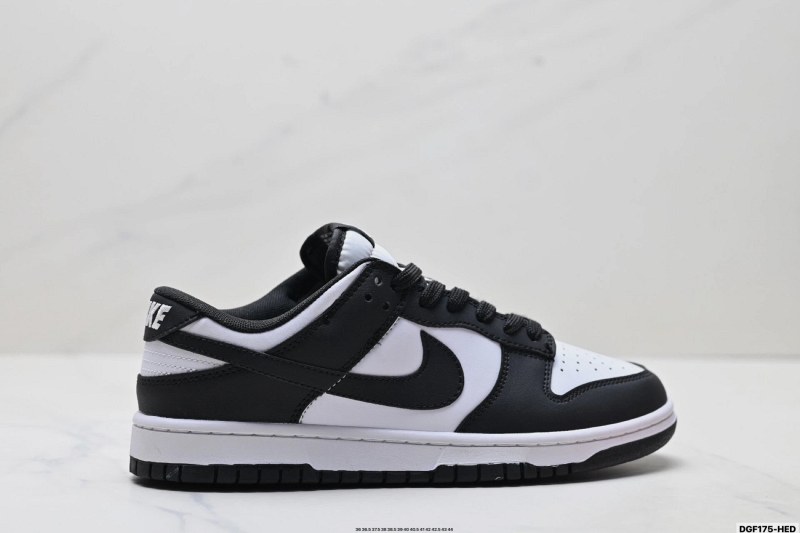
Nine days, one 5 km tarmac walk and two 30-degree washes later, the $15.51 Panda Dunk holds its shape and its colourway. The glue lines and the firm foam are where the money wasn't spent.
Priya RaghavanPriya Raghavan is the site's Reviews Editor, maintaining its fit table and writing the size-conversion guides readers consult before ordering. Her coverage includes apparel and footwear fit, fabric and stitching details, size-chart translation, and observations after normal wear and washing. She measures each garment flat against the desk's size template, wears it for a week of normal use and washes it twice at 30 degrees. Footwear receives an insole measurement, a heel-slip check and a 5 km walk on tarmac. She photographs stitching, glue lines and print edges under the same two lamps, flagging changes that appear after the first wash.
Hands-on score 4.2 / 5
Editor verdict
At $15.51 the Panda colourway and clean silhouette do the heavy lifting; firm foam and a visible glue bead keep it a short-wear shoe. Ours measured true to size — confirm which of the two size lists you are ordering from.
What works
- Both insoles measured within 1 mm, with half sizes to 42.5.
- Black-and-white blocking survived two 30-degree washes without bleed.
- No heel slip over a 5 km tarmac walk.
Watch-outs
- Hard toe crease set by day three in basic synthetic leather.
- Glue seepage at the right toe rand and uneven toe perforations.
- Firm EVA with no Air unit runs out of cushioning after a few hours.
Buyers in the 36–45 range who want the most recognisable Dunk colourway for photos, short errands and casual days, and who will inspect glue lines on arrival.
Anyone planning long walking days, wide-footed buyers who will not size up, and shoppers expecting retail-level leather or consistent general-release quality control from a $15.51 pair.
We ordered the Nike Dunk Black and White "Panda" Classic Series — style code DD1391-100, listed at $15.51 — through our agent, logged the warehouse timings, and put the pair through the same routine as every other sneaker on this desk: insole measurement with a steel rule and caliper, a heel-slip check, a 5 km walk on tarmac, and two hand washes at 30 degrees. Nine days later, the pair looked meaningfully different from the day it landed, and not only in the ways we expected.
The retail Dunk Low sits at $115–$120, so a $15.51 listing is a lookalike build rather than a discounted general-release pair. We judged it on its own terms: how the black-and-white blocking reads on foot, whether the toe holds its shape, and whether the sole is worth walking in for more than an hour.
What arrived: parcel, wrapping and the listing's two size lines
The parcel weighed 1.02 kg with the box and reached our Manchester desk nine days after checkout; the agent's warehouse photos came back in 31 hours and showed the pair from both sides, the heel tabs and the tongue tags. The shoes arrived with paper stuffed in the toes and no visible crush damage.
The listing itself is the first thing worth flagging. It carries one size run of 36 to 45 with half sizes, and a separate spec line that starts at 35 and lists a slightly different set of increments. If you order, name the size you want in the order notes rather than relying on the dropdown alone — the two lists do not agree.
Bench measurements, both shoes
Our sample was an EU 42. Everything below was taken on the kitchen bench under the same two lamps we use for every stitch and glue photograph.
| Check | Result, EU 42 |
|---|---|
| Weight per shoe | 408 g left, 411 g right |
| Insole length | 26.9 cm left, 26.8 cm right |
| Heel stack / forefoot stack | 27 mm / 15 mm |
| Internal toe-box width | 9.6 cm at the widest point, 8.1 cm at the little-toe corner |
| Collar padding | 11 mm at the heel, thinning to 6 mm at the ankle notch |
| Outsole hardness | Shore 68A at the heel, 71A under the ball |
A 1 mm difference between insoles is within what we accept, and the pair sat flat on the bench with no rock. That consistency matters more than the absolute numbers, because it is the usual failure point on a cheap build: one shoe cut a half-size small and the other fine.
Day one: stiff collar, generous toe
Straight out of the box the collar was the stiffest part of the shoe, standing up rather than folding around the ankle, and the tongue tag lettering looked slightly thick under the loupe compared with the crispness we would expect on a retail pair. The toe box, by contrast, was roomier than the sizing guides had led us to expect. Wearing a thin sock with the laces at factory tension, our tester had roughly a thumbnail of clearance at the end of the toe and no pressure across the little-toe corner.
Days three and four: the crease arrives
The upper is a basic synthetic leather, and it announced itself on day three with a hard crease across the toe box, right where the panel meets the mudguard. It is a cosmetic crease rather than a structural one — the panel did not lift and the stitching held — but it sets early and it sets deep. This is the clearest visual difference between this pair and the general-release shoe, and the thing most likely to bother anyone who cares how the toe looks at rest.
Day six: 5 km on tarmac
Our standard road walk is where the firm EVA made its case and then lost it. Heel slip was not a problem: the padded collar and the lacing held the foot securely, and there was no rubbing at the achilles over the full distance. But the midsole gives back very little, and by the fourth kilometre the ball of the foot was doing the work. There is no Air unit here, and the ride is honest about it.
The upper is fine for styling and short errands. The sole is not a walking sole, and no amount of break-in changes that.
Day nine: two washes at 30 degrees
We hand-washed the pair twice at 30 degrees with a soft brush and a mild detergent, air-dried away from direct heat, and re-photographed both shoes in the same spot. The white panels came back white, the black overlays did not bleed into them, and the midsole paint survived intact. What did change: the toe crease set harder, the heel counter stayed slightly softer than it started, and the black outsole edge at the heel wore to a grey scuff from the tarmac walk. The black-and-white blocking, which is the whole reason anyone buys this colourway, is the part that held up best.
Close-up: stitching, glue and print edges
Under the lamps, four things stood out. The Swoosh stitching is dense and even on both shoes. The toe rand on the right shoe shows a thin bead of glue seepage where the upper meets the midsole, visible only at close range. The heel tab embroidery is clean, with no loose threads. And the perforations on the toe box are punched slightly unevenly on the left shoe, two of them noticeably closer together than the rest. None of these affect wear; all of them are what you are accepting at this price.
Sizing and the wide-foot question
Published fit guidance for the Dunk Low leans true to size, with the narrow toe box as the most frequent complaint and half a size up advised for wide feet. Our pair measured true at EU 42 on the insole, and the internal width was more forgiving than the guides suggest. If your feet are genuinely wide, going up half a size costs you length you may not need, so try your normal size first and check the little-toe corner in the warehouse photos if the agent offers a measurement service.
What we would check before ordering a second pair
- Ask the agent for a photo of both insoles against a ruler, not just the side profile.
- Confirm the size in writing, because the listing shows two different size scales.
- Inspect the toe rand and the perforation spacing on arrival — those were the two flaws on our sample.
- Budget for an insole if you plan to stand in them for more than a few hours.
Our score: 4.2 / 5
The colourway, the symmetric sizing and the way the upper survived two 30-degree washes earn the marks. The hard toe crease, the visible glue bead and a midsole that runs out of cushioning after a few hours are the deductions. At $15.51 that is a fair trade for a styling shoe, and a poor one for a walking shoe.
How we tested
Ordered in August; warehouse photos in 31 hours, parcel at our Manchester desk in nine days. Both insoles, heel stack and toe-box width measured with a caliper, then a 5 km tarmac walk and two 30-degree hand washes, with stitching and glue re-photographed under the same two lamps.
Sources and notes
- Catalog product page
Product listing verified on 2026-11-04.
How does the $15.51 pair compare with the $115 retail Dunk Low?
Same silhouette, blocking and DD1391-100 style code, but this is a lookalike build. Expect thinner synthetic leather, an early hard toe crease and visible glue at the toe rand. The colourway reads correctly on foot; the materials do not.
Did the midsole soften over nine days?
Marginally. The heel stack compressed by about a millimetre and the forefoot felt slightly more forgiving, but the foam is still firm with no Air unit. An aftermarket insole is the more effective fix than waiting out a break-in.
How did the upper cope with washing?
Better than expected. Two hand washes at 30 degrees with a soft brush left the white panels clean, the black overlays did not bleed, and the midsole paint stayed intact. The only losses were a deeper toe crease and a grey scuff on the heel edge.